Lab Grown Diamonds - Truths
Table of ContentsThe Ultimate Guide To Lab Grown DiamondsThe Ultimate Guide To Lab Grown DiamondsWhat Does Lab Grown Diamonds Mean?The Definitive Guide to Lab Grown Diamonds
As you travel closer to the Earth's core, stress and temperature boost, which creates the best oven for carbon to be exchanged diamond (diamonds are the only gemstone to be made from totally one component). With a large volcanic eruption, these diamonds were transported to the Earth's surface. It's approximated this procedure was relatively quick (most likely throughout numerous hours), which permitted the rubies to remain intact without melting.The short answer: carats measure the mass of rocks, karats determine the pureness of gold. Carat: 1 carat is equivalent to 0.2 grams, regarding the weight of a paperclip (following time you see a picture of Mariah Carey's 35 carat weight engagement ring, just think of the burden of bring 35 paper clips around your finger on a daily basis).
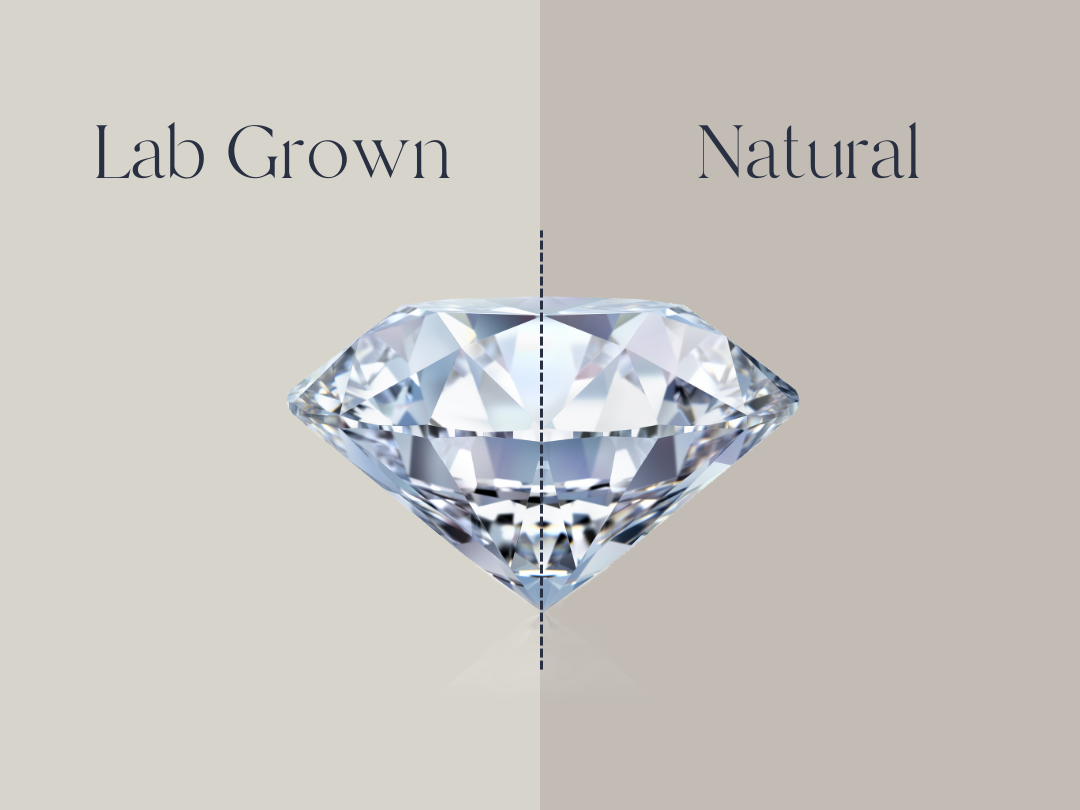
Right here are several of the key benefits of lab grown rubies and lab grown diamond jewellery:.
Lab Grown Diamonds - The Facts
Put just, all-natural or earth-mined diamonds are crafted over millions of years underneath the Earth's crust from pure carbon combined with stress and warm. Developing rubies in a lab needs the very same process, just fine-tuned to occur over a much smaller sized period in a far more regulated setup.
Whereas earth-mined diamonds are unusual and limited and tend to raise in cost gradually, lab diamonds are readily available. As demand surges, labs can remain to create lab rubies suggesting they are not restricted or limited contrasted to all-natural diamonds. If you have an interest in fine fashion jewelry from a financial investment perspective, like lab-grown ruby rings, they will not be a good fit for your needs.
They could believe that the cons of lab-grown rubies surpass the pros. Disputes, battles, and civils rights issues are all intermingled with the diamond sector. That said, the ruby sector does offer revenue to third-world countries. Some may say that, because of this, getting a lab-made diamond also comes with its moral factors to consider, as doing so takes revenue far from those associated with the natural diamond industry who might need it most.
Traditional diamonds depend on the Earth's problems to establish their top quality or absence thereof. In a laboratory, producers can straight manage a diamond's high quality.
Facts About Lab Grown Diamonds Revealed
You can conveniently locate tinted, manufactured diamonds on the (relatively) affordable side as well as certain cuts that would certainly be more expensive if you were shopping for an extracted diamond just. That hardly indicates it isn't worth safeguarding.
natural rubies is that the latter is extracted from natural deposits in the Planet while the former is made in a laboratory using controlled setups. However their quality is mainly the exact same. Lab Grown Diamonds. While the difference in between lab-grown and natural diamond alternatives are minimal when it involves high quality, some of the disadvantages of lab-grown rubies include the truth that the rock will certainly diminish gradually and, to some, an absence of emotional worth that's commonly connected with mined rubies
This cost difference can be attributed to the streamlined production process and the evasion of costs linked with standard mining. The Controlled Setting in Which Lab Grown Diamonds Are Produced Enables for Constant Top Quality.
Versatility in Layout click here - Laboratory Grown Diamonds Deal Designers and Consumers a Versatile Combination to Produce Unique and Innovative Precious Jewelry Styles - Lab Grown Diamonds. Lab Rubies Commonly Come with An Even More Clear Supply Chain.
Lab Grown Diamonds for Beginners
Market Assumption - Regardless Of Their The Same Physical Properties, Lab Diamonds Might Face Challenges in Market Assumption. Some Consumers Still Perceive Natural Diamonds as Having Greater Value and Stature. The Manufacturing of Lab-Grown Diamonds Can Be Energy-Intensive, Especially in Techniques Like High Stress High Temperature (hpht) and Chemical Vapor Deposition (cvd).
All-natural Rubies Are Formed Over Millions of Years Deep Within the Earth, Adding to Their Perceived Rarity. Lab-Grown Rubies, Regardless Of Their Similar Feature, May Not Carry the Same Rarity Factor, Influencing Their Perceived Value for Some Customers. Influence on Diamond-Dependent Economies - the Shift Towards Lab Grown Diamonds Might Have Financial Ramifications for Countries and Areas that Rely On The Ruby Mining Industry.
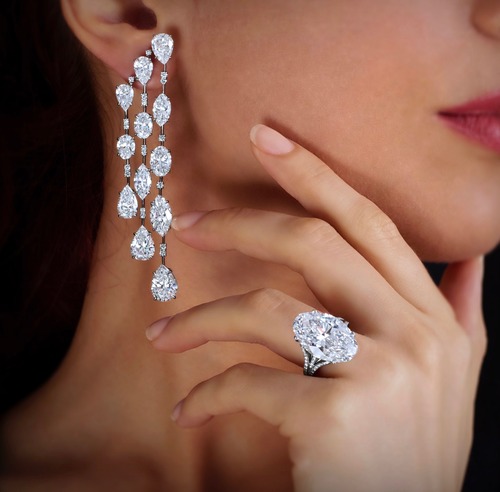
Ans. Laboratory Diamonds Are of Equal High Quality to Natural Diamonds in Terms of Solidity, Radiance, and Clarity. the Quality of A Ruby, Whether Lab-Grown or Mined, Is Determined by Its Cut, Shade, Quality, and Carat Weight Weight. Ans. Yes, Lab Diamonds Glimmer Just Like Natural Diamonds. Their Sparkle and Glimmer Are a Result of Their Cut and The Method Light Interacts with Their Facets. Ans.
Comments on “Little Known Facts About Lab Grown Diamonds.”